
2026 Top Oz Cup Types for Global Buyers?
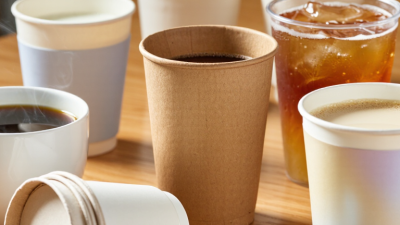
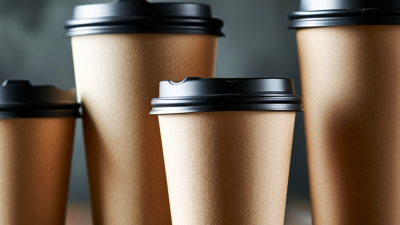
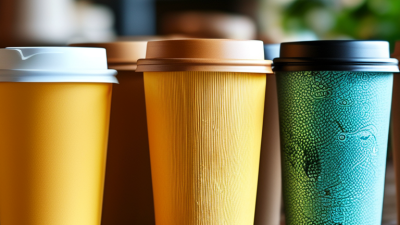
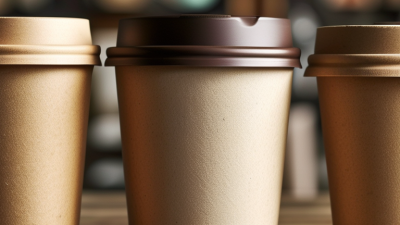
Hey, have you noticed how the Oz Cup market for 2026 is really evolving? It’s not just getting bigger; it’s actually becoming much more specialized. These days, overseas buyers are paying close attention to stuff like size, the materials used, insulation qualities, printing options, lids, and even how reliable the delivery is. For example, a 4-ounce cup might be perfect if you're sampling espresso, but if you're dealing with takeaway drinks or trying to showcase some branding, a 16-ounce cup probably makes more sense. Every single choice you make impacts the cost, how easy it is to store, how comfortable the user feels, and even how much waste gets generated. Diana Twede, a packaging expert, once said, 'A package has to protect the product, send the right message about its value, and fit within the distribution system.' That’s still spot-on advice when you're shopping for Oz Cups. So, it’s a good idea to check things like wall strength, the consistency of the rim, whether it can withstand heat, and if it’s leak-proof. Don’t forget to glance at the cup paper and bottom structure, especially if you're choosing a paperboard with different coatings. Cups with PE coatings usually do a decent job with moisture resistance. On the other hand, water-based or dispersion coatings might align better with sustainability goals, but keep in mind that how they perform can vary quite a bit depending on the supplier and the beverage temperature. In this guide, we’ll take a look at the main types of Oz Cups you can expect in 2026. We’ll compare single-wall, double-wall, ripple-wall, compostable, recyclable, and reusable options. Be super careful when checking certification claims though — a green label doesn’t automatically mean it’s legit. It’s smart to ask for food-contact approval papers, test reports, factory audits, and even real samples from manufacturers like Huhtamaki, Dart Container, and Graphic Packaging International. Now, let’s be real — the market doesn’t always follow a predictable path. Prices can fluctuate because of pulp, energy, freight costs, or regional demand. Some buyers go for the cheapest cup upfront, but then end up paying more later with higher failure or replacement costs. So, finding the sweet spot means balancing how you intend to use the cups, compliance with regulations, your branding needs, and overall cost — including what it takes to get the cups delivered. Those tiny details? They can really make or break the whole order, sometimes in ways you might not expect.
Read more »