Picking the right Kraft Paperfor your business can actually feel pretty overwhelming sometimes. With so many options out there, it’s kind of hard to know where to start, right? Getting a good handle on what makes Kraft Paper special is key — things like weight, strength, and finish can really make a difference in how your projects turn out.
High-quality Kraft Paper can do wonders for your packaging and branding efforts. But, on the flip side, cheaper options might save you some money upfront, yet could fall short on durability. You might run into issues like tearing easily or not holding up well against moisture — nobody wants that. Taking these factors into account can save you headaches (and cash) down the road.
Also, don’t forget how important it is to choose a reliable supplier. Companies like EcoPack aren’t just in it for the sale; they can actually help you figure out what kind of Kraft Paper will work best for your unique needs. It’s worth thinking about what you truly expect from your paper, as well as its properties. When you pick the right one, it not only looks more professional but also makes your processes smoother and more efficient.

Understanding Kraft Paper Varieties for Business Applications
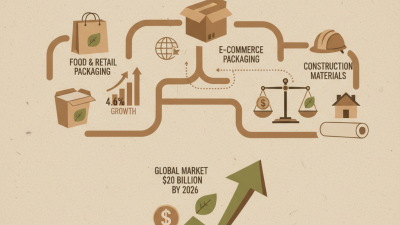
When selecting the right kraft paper for business applications, understanding the varieties is crucial. Kraft Paper Comes in various forms, including bleached and unbleached options. According to the Paper and Wood Products Manufacturing Association, the global market for kraft paper has been growing steadily, with expected increases of around 4% annually. This is largely driven by demand in packaging and eco-friendly solutions.
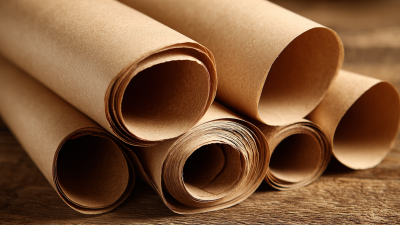
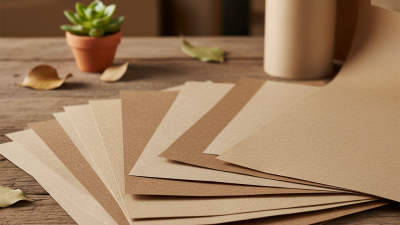
Brown Kraft Paper Rolls are particularly popular due to their durability and natural look. This type of kraft paper is often used in packaging, as it provides excellent strength and versatility. Research indicates that about 60% of businesses prefer brown kraft because it is recyclable and biodegradable. However, it is essential to consider that the thickness and weight of the paper can affect its performance. A thicker roll may offer better protection but can also increase shipping costs.
While many businesses benefit from using kraft paper, some may find that their specific needs require more tailored solutions. It's vital to evaluate your packaging requirements closely. Inadequate research could lead to overestimating the paper's strength or not maximizing its environmental benefits. Exploring different grades and finishes of kraft paper can help ensure you make an informed choice.
Identifying Your Business Needs for Kraft Paper Selection
When selecting the right kraft paper for your business, it's crucial to assess your specific needs. Various industries utilize kraft paper differently, influenced by durability, thickness, and environmental concerns. For example, packaging industries often require heavy-duty kraft paper to ensure product safety during transit. According to a report by Smithers Pira, the global kraft paper market is projected to exceed $22 billion by 2027, highlighting its growing importance in packaging.
Tip: Determine the weight of the products you will package. For heavy items, consider a thicker paper around 60-100 gsm. This choice enhances strength and reduces the chance of tearing.
Environmental impacts are also vital in the kraft paper selection process. More businesses are prioritizing sustainable options. A survey by the Paper & Paperboard Packaging Environmental Council found that 73% of consumers prefer products using recyclable materials. This trend highlights the need for kraft paper that’s not only functional but also eco-friendly.
Tip: Look for certifications, such as FSC or recycled content. These labels can improve your brand's image and meet consumer expectations. Make sure to evaluate any trade-offs between cost and sustainability.
Assessing Different Grades and Weights of Kraft Paper
When selecting kraft paper, understanding different grades and weights is crucial. Kraft paper is known for its strength and durability, making it ideal for packaging and crafting. However, not all kraft paper is created equal. The weight of the paper, typically measured in grams per square meter (gsm), impacts its performance and application. For example, lighter grades (around 40-80 gsm) are suitable for wrapping and lightweight tasks. Heavier grades (over 120 gsm) offer greater durability for products requiring more protection.
Tips: Always check the tear resistance of the paper. If your product is fragile, opt for a thicker grade. Additionally, consider the finish. Smooth finishes can be great for printing, while textured surfaces add a unique look to your packaging.
Weight influences not just strength but also cost. Higher weight paper often costs more, which can affect your budget. Think about how the paper will be used. For heavy-duty applications or shipping, choose a heavier grade. On the other hand, if you are looking at eco-friendly options, lighter grades with recycled content might be a good fit.
As you assess different options, remember to reflect on your actual needs. Not every project requires the highest grade of kraft paper. Evaluate how each grade aligns with your business goals and process requirements to get the best value.
Evaluating Printability and Design Considerations for Kraft Paper
When selecting Kraft paper, printability is a crucial factor. Not all Kraft paper types offer the same print quality. A study from Pulp & Paper Canada highlights that approximately 70% of businesses prioritize print fidelity. This is vital for branding and product presentation. The texture and weight of the paper impact how ink adheres. Lighter weights may absorb ink poorly, leading to unsatisfactory results.
Design considerations often include color, texture, and usage. Many designers appreciate the natural look of unbleached Kraft paper, as it brings an organic feel to products. According to a report from the Paper & Packaging Board, 65% of consumers prefer sustainable packaging options. This trend encourages companies to use Kraft paper. However, it poses challenges when aiming for vibrant prints. Some inks may appear muted on dark or textured surfaces.
Lastly, always consider the end-use of the Kraft paper. Will it hold weight or appear attractive on a retail shelf? A survey by the Flexible Packaging Association indicated that 50% of consumers believe packaging influences their purchase decision. Therefore, achieving the right balance of print quality and design appeal is crucial. Make sure to test various options before committing to large orders.
Cost-Effectiveness: Balancing Quality and Budget for Kraft Paper
Cost-effectiveness is vital in selecting Kraft paper for your business. Balancing quality and budget can be challenging. According to industry reports, the market for Kraft paper is anticipated to grow at a CAGR of 3.5% through 2025. This growth highlights the increasing demand for eco-friendly packaging solutions.
When sourcing Kraft Paper Rolls, consider the weight and thickness. Higher grammage offers better durability but increases costs. For example, a 70 GSM Kraft paper is suitable for lightweight items, while a 120 GSM paper works for heavier goods. An analysis shows that businesses can save up to 20% by choosing the right specifications for their products. This is crucial for small businesses with tight budgets.
Avoid opting for the lowest price without considering quality. Cheap Kraft paper may lead to increased returns and customer dissatisfaction. A balance must be struck between affordable options and reliable products. Review your suppliers carefully, ensuring they comply with environmental standards. This attention to detail helps in maintaining quality while controlling costs. Each decision impacts your bottom line and brand reputation.
Cost-Effectiveness of Different Kraft Paper Types
Sustainability Factors in Choosing Eco-Friendly Kraft Paper
Sustainability is key when selecting Kraft paper for your business. Eco-friendly options can significantly reduce environmental impact. Consider the source of paper. Recycled materials help lower deforestation rates. Look for certifications that ensure responsible sourcing and production methods. These labels can guide you to reliable choices.
Another important factor is the production process. Some Kraft papers are bleached, which can involve harmful chemicals. Choose unbleached or naturally colored varieties to minimize toxins. This not only supports better environmental practices but also enhances the biodegradable quality of your products. The thickness and durability of Paper Kraft also matter. Thicker Kraft paper is often more robust and longer-lasting, reducing waste over time.
Pricing can sometimes lead to compromises. Cheaper options may not be sustainable. When evaluating costs, weigh the long-term benefits of investing in high-quality, eco-friendly Kraft paper. Think about your brand's image and commitment to sustainability. This choice reflects your values and can appeal to eco-conscious consumers. Balancing cost, quality, and environmental responsibility is a challenge worth addressing.
Supplier Considerations: Finding Reliable Kraft Paper Sources
When selecting a kraft paper supplier, reliability is key. A reliable supplier ensures consistency in quality. This is essential for businesses that rely on Brown Kraft Paper for packaging or printing. Look for partners who have positive reviews and a history of dependable service. Their experience can often reflect their capability.
Consider the supplier's production capabilities. Do they offer a range of brown kraft paper options? A good supplier should provide different weights and finishes. This allows businesses to choose the right type for their specific needs. Ask for samples to assess the texture and durability. Some suppliers may not meet expectations—be cautious.
Evaluate the supplier’s delivery timelines. Late deliveries can disrupt your operations. Inquire about their logistics and supply chain resilience. Also, look at their customer support. Are they responsive and helpful? Good communication signifies a professional approach. Making these considerations helps avoid frustrations down the line and fosters a solid business relationship.
FAQS
: Kraft paper comes in bleached and unbleached varieties. Brown kraft paper is popular for its durability.
About 60% of businesses prefer it for being recyclable and biodegradable. It has excellent strength and versatility.
Thicker kraft paper offers better protection but can increase shipping costs. Weight should match product needs.
Choosing the right grammage can help. A 70 GSM paper is good for lightweight items, while 120 GSM suits heavier goods.
Low-quality paper may lead to more returns and dissatisfied customers. Quality should not be sacrificed for cost savings.
Look for suppliers with positive reviews and consistent quality. Assess their range of products and request samples.
Late deliveries disrupt operations. Understanding a supplier's logistics ensures smooth business processes.
Good communication shows professionalism. Responsive support can reduce frustrations and build trust over time.
Conclusion
Choosing the right Kraft Paper for your business requires a thorough understanding of the various varieties available and the specific needs of your operations. Start by identifying your business requirements, considering factors such as the grades and weights of Kraft Paper that suit your applications. Evaluate printability and design elements to ensure that the paper complements your brand while maintaining functionality.
Cost-effectiveness is another crucial aspect, where balancing quality with budget constraints can lead to optimal choices. Additionally, with the increasing emphasis on sustainability, opting for eco-friendly Kraft Paper is beneficial not only for the environment but also for enhancing your brand's image. Finally, finding reliable suppliers is essential to ensure a steady supply of quality Kraft Paper to meet your business demands efficiently.