fsc
Leave Your Message
0%

You know, the demand for eco-Friendly Packaging is really picking up, especially in the food and drink world. I came across a recent report from Allied Market Research – it said like, by 2025, the global market for paperboard cups could hit around $15 billion! Crazy, right? A big part of this shift is thanks to folks becoming more aware of environmental issues and really wanting greener options.

Experts like Dr. Emily Carter from GreenPack Innovations talk about this a lot. She says, “Switching to paperboard cups isn’t just a passing trend — it’s essential if we wanna have a sustainable future.” And honestly, it’s true. People are starting to see how much impact packaging has and how important it is to source responsibly.

That said, making the leap to paperboard cups isn’t all smooth sailing. Plenty of companies are up against rising production costs and the challenge of finding sustainable materials. As the market keeps changing, businesses are caught in this balancing act—trying to meet what consumers want while tackling these hurdles. How they handle that will definitely shape what packaging in the beverage world looks like down the line.

Best Paperboard Cups for Global Buyers Need to Know?

Understanding Paperboard Cups: An Overview for Global Buyers

Paperboard cups have become essential in the global marketplace. These cups are popular for their environmentally friendly properties. According to a 2022 report by Smithers, the Paper Cup market is projected to reach $12 billion globally by 2026. Buyers must understand the nuances ofPaperboard Paper to make informed choices.

One key aspect is the type of paperboard used. Different grades affect the cups' durability and insulation. High-quality paperboard paper ensures that drinks maintain their temperature better. A recent industry study showed that nearly 75% of consumers prefer paper cups that keep beverages hot longer. The design and thickness of the cup play a critical role in performance. Not all paperboard is the same; some might not withstand heat effectively.

Buyers should also consider sourcing practices. Sustainable sourcing of paperboard is increasingly important. Reports highlight that 70% of consumers are willing to pay more for eco-friendly products. However, achieving a balance between cost and sustainability can be challenging. The demand for biodegradable options is rising, yet not all suppliers meet these criteria. This growing complexity requires buyers to stay informed and choose wisely.

Key Features to Look for in Quality Paperboard Cups

When selecting quality paperboard cups, buyers should pinpoint key features that ensure durability and sustainability. The thickness of the paperboard matters significantly. Higher gram-weight paperboard typically leads to better structural integrity. A thickness of at least 300 gsm is often recommended for reliable construction. According to industry reports, cups made from heavier paper board have enhanced insulation properties, reducing the risk of burns for hot beverages.

Another critical aspect is the type of coating used. Water-based coatings are becoming increasingly popular. These coatings improve barrier properties while remaining environmentally friendly. In fact, research indicates that cups with biodegradable coatings have seen a rise in consumer preference, reflecting a growing demand for sustainable options. Together, these features align with a broader trend favoring eco-friendly materials in the Paper & Paperboard sector.

It’s vital to consider sourcing practices as well. Ethical sourcing of materials impacts both environmental footprint and consumer perception. However, not all manufacturers provide transparent information about their sourcing. Buyers must actively seek out this information to ensure responsible purchasing decisions. Some suppliers may still rely on outdated practices, which could lead to quality inconsistencies and sustainability issues. Making informed choices enhances the overall value of paperboard cups in today’s market.

Key Features in Quality Paperboard Cups

Comparing Different Types of Paperboard Cups Available

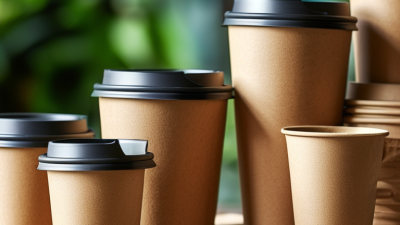
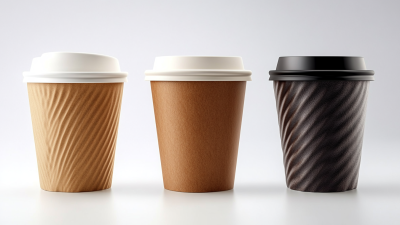
When comparing different types of paperboard cups, it’s essential to consider various features. There are two main categories: single-wall and double-wall cups. Single-wall cups are lightweight and suitable for short-term use. However, they might not retain heat well for hot drinks. Double-wall cups, on the other hand, offer better insulation and comfort. They reduce the risk of burns, making them an ideal choice for coffee shops.

**Tips:** Choose double-wall cups for beverages served hot. They provide durability and protection. Single-wall cups can be used for cold drinks or quick-service events. They are cost-effective but may require sleeves for hot items.

Another aspect to consider is the material used in the cups. Not all paperboard is created equal. Some cups use food-safe coatings to improve liquid resistance. Others may lack these features, leading to leaks. It's important to verify the specifications and ensure they meet your needs.

**Tips:** Check for certifications that guarantee safety and performance. This can be crucial when making bulk purchases for your business. Always ask suppliers for samples before ordering to ensure product quality.

Top Manufacturers of Paperboard Cups Worldwide

Best Paperboard Cups for Global Buyers Need to Know?

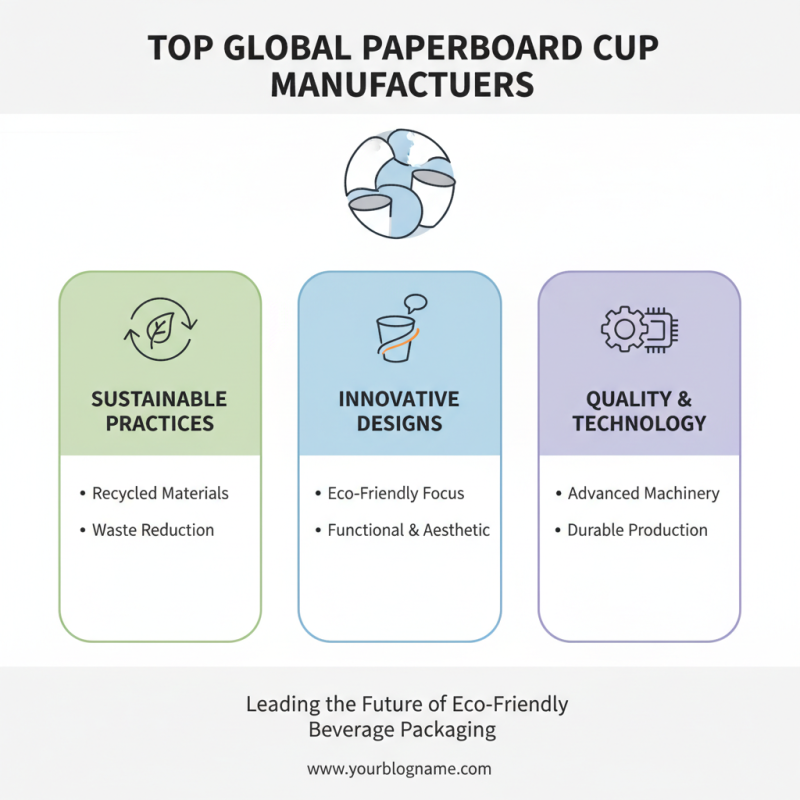
When considering paperboard cups, understanding the leading manufacturers worldwide is essential. These manufacturers focus on sustainable practices, innovative designs, and quality production. They invest in advanced technology to create cups that are both functional and eco-friendly. Their commitment to reducing waste is noteworthy, as they often use recycled materials in their processes.

The Paperboard Packaging industry is vast, with various companies specializing in different segments. Some concentrate on cups for hot beverages, while others cater to cold drinks. Each company faces unique challenges. Market demands shift, and maintaining quality while scaling production can be a delicate balancing act. Some manufacturers have struggled with consistency in their supply chain, highlighting areas for improvement.

In this competitive landscape, many manufacturers excel at forging partnerships to enhance product offerings. They attend trade shows and collaborate with restaurants and cafes to understand customer preferences. However, staying ahead requires adaptation. The industry's need for innovation grows continuously, making the future uncertain. Manufacturers must remain agile to thrive.

Environmental Considerations in Paperboard Cup Production

Environmental considerations in paperboard cup production have become increasingly significant. According to a report by the Paper and Packaging Board, the demand for sustainable products has risen by 33% over the last year. Consumers are more aware of the impact of their choices. This shift is driving manufacturers to adopt eco-friendly materials and processes.

The production of paperboard cups often involves the use of renewable resources. Many companies are utilizing sustainably sourced paper. This shifts the focus towards responsible forestry and better land management practices. However, not all processes are perfect. The recycling rates for paperboard cups remain an ongoing concern, with only about 20% being recycled effectively. This presents a challenge for producers aiming to meet environmental goals.

Life cycle assessments (LCAs) highlight that while paperboard cups have a lower carbon footprint than plastic alternatives, issues persist. The water usage during production is sometimes significant. Striking a balance between using materials responsibly and producing at scale poses difficulties. The industry is continuously exploring innovative solutions to address these issues, striving for higher standards in sustainability.

Innovative Designs and Customization Options in Paperboard Cups

In recent years, the demand for paperboard cups has surged, driven by eco-friendly choices. Innovative designs have transformed these cups into eye-catching alternatives. Brands increasingly prioritize customization options to enhance their market appeal. According to a report by Smithers Pira, the global paper cup market is expected to grow by 6% annually, reflecting consumers’ shift toward sustainable products.

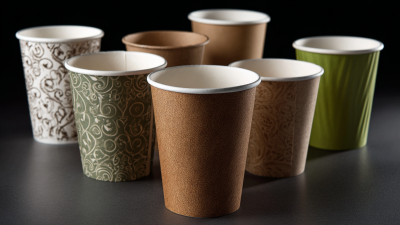
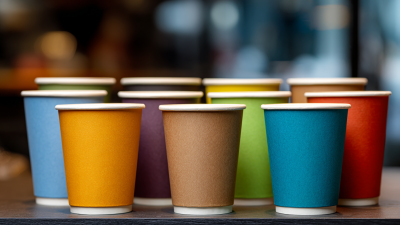
Customization plays a crucial role in this market. Many companies offer tailored solutions to meet diverse customer needs. From vibrant colors to specialized prints, the possibilities are nearly endless. Engaging customers through personalized designs can boost brand loyalty. Additionally, these cups, such as Paperboard White options, provide a blank canvas for creativity while adhering to sustainability.

When considering your options, keep in mind that not all manufacturers prioritize quality. Some may compromise on the durability or eco-friendliness of their products. It’s essential to conduct thorough research. Look for certifications that verify a brand's commitment to sustainability and quality. Opt for suppliers known for transparency and ethical practices. Choosing the wrong cup can reflect poorly on your brand image.

Market Trends Influencing Paperboard Cup Demand Globally

The demand for paperboard cups is witnessing significant growth. A recent market report indicated that the global paper cup market is expected to reach USD 5.5 billion by 2027. This surge is driven by increasing consumer awareness of sustainability. More businesses are opting for eco-friendly options to reduce plastic usage, aligning with changing public preferences.

Additionally, the rise of the takeaway culture has reshaped the beverage industry. A survey revealed that 45% of consumers prefer takeaway options, leading to greater demand for disposable cups. This shift is not just about convenience; it reflects a change in lifestyle for many. The ability to enjoy drinks on the go is becoming essential.

Innovation plays a role in paperboard cup dynamics. Manufacturers are investing in advanced technologies to enhance cup strength and insulation. Industry experts emphasize the need for continuous improvement. The challenge is to balance functionality with sustainability. As more companies enter this market, understanding trends is crucial for strategic decisions.

FAQS

: What are the types of paperboard cups available?

: There are two main types: single-wall and double-wall cups. Single-wall cups are lightweight, while double-wall cups provide better insulation.

When should I use double-wall cups?

Use double-wall cups for hot beverages. They offer better heat retention and reduce the risk of burns.

Are single-wall cups suitable for cold drinks?

Yes, single-wall cups work well for cold drinks or quick-service events. They are cost-effective but may require sleeves for hot items.

How important is the material of paperboard cups?

The material affects durability. Cups with food-safe coatings resist leaks better than those without. Always check specifications.

What should I verify when purchasing cups in bulk?

Check for safety certifications and performance guarantees. Request samples from suppliers to ensure quality before placing orders.

Why is sustainability important in cup production?

Sustainability matters due to rising consumer demand. Companies are shifting to eco-friendly materials, yet challenges in recycling remain.

What environmental challenges do manufacturers face?

Recycling rates for paperboard cups are low. Balancing material use and production efficiency continues to be a challenge.

How do manufacturers adapt to market changes?

They attend trade shows, forge partnerships, and innovate constantly. This adaptability helps them stay competitive but can be hard to achieve.

What does the life cycle assessment (LCA) reveal?

LCAs indicate paperboard cups have a lower carbon footprint than plastic. However, water usage during production can be problematic.

What improvements are needed in the paperboard industry?

Manufacturers must find better recycling solutions and responsible sourcing. Continuous innovation is needed to enhance sustainability standards.

Conclusion

This article provides a comprehensive overview of Paperboard Cups, essential for global buyers. It begins by explaining the characteristics and quality indicators that distinguish high-grade paperboard cups, including durability and insulation properties. The analysis then explores the various types of paperboard cups available, helping buyers understand their options depending on their specific needs.

Furthermore, the article highlights top manufacturers in the industry, shedding light on their contributions to the market. It addresses environmental considerations related to paperboard cup production, emphasizing sustainable practices and materials. Innovative designs and customization options are also discussed, showcasing how businesses can enhance brand recognition through tailored products. Lastly, market trends influencing the demand for paperboard cups are examined, providing insights into the future of this vital packaging solution.
Lila

Lila

Lila is a dedicated marketing professional at Nanning Green Science Paper Co., Ltd., where her expertise shines through in every aspect of her work. With a deep understanding of the company's core business and products, Lila plays a vital role in promoting sustainable paper solutions that meet the......
Previous What is Cupstock Paper and Why is it Important for Buyers?
Next Top 10 Paper Paper Board Products for Global Buyers?