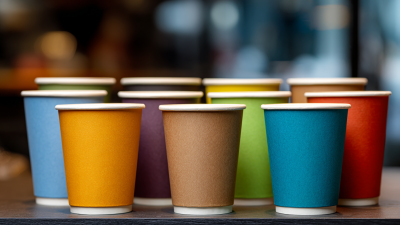
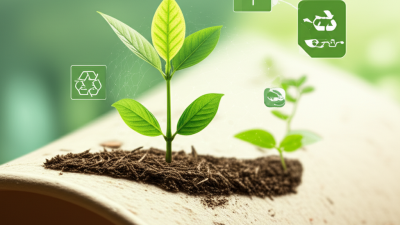
Choosing the right Paper Cup Material is actually pretty important for any food and beverage business out there. With more folks caring about the environment than ever before, it’s not just about making things work — you’ve gotta think about sustainability too. This choice can really make a difference in how customers see your brand and whether they come back.
In such a competitive market, it’s crucial to get a good handle on the different paper cup raw materials. They range from the traditional types of paper to some pretty innovative biodegradable options. Each one has its own set of advantages and downsides, so it’s worth thinking about what honestly fits your brand’s vibe and your practical needs.
Most experts recommend doing some solid research before you decide. You should look into stuff like how durable the material is, how much it costs, and its impact on the environment. Sadly, jumping on every trendy thing might not always be the best idea — it’s more than just how it looks. In the end, making an educated choice that aligns with eco-conscious customers can really help you stand out and do right by the planet, too.
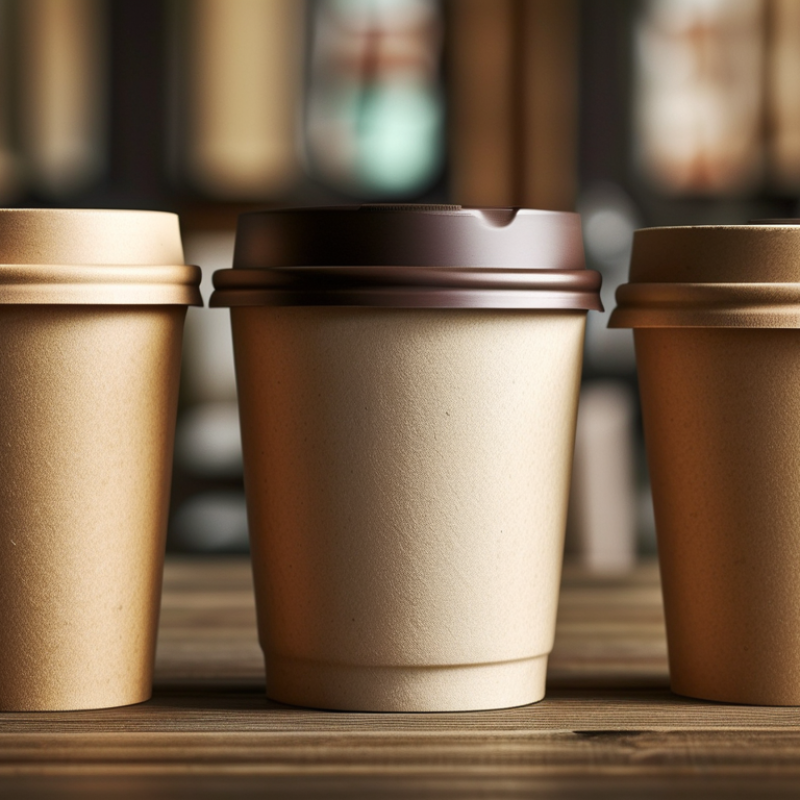
Understanding Paper Cup Materials: An Overview
When choosing paper cup materials, several factors come into play. The composition of the cup influences its performance, sustainability, and cost-effectiveness. A significant portion of the industry currently uses Raw Material Paper Cups made from virgin pulp fibers. Reports indicate that these cups provide excellent strength and insulation, necessary for hot beverages. Additionally, they compost more effectively than counterparts made from recycled fibers.
Sustainability is a growing concern in the industry. A study by the Paper and Bioprocessing Institute showed that 70% of consumers prefer eco-friendly products. This rising demand encourages manufacturers to innovate. Some companies are exploring bio-based coatings instead of the traditional polyethylene lining. Such advancements can enhance the recyclability of paper cups and reduce environmental footprints.
However, the transition to more sustainable materials presents challenges. Cost implications can be significant, and not all suppliers are equipped to meet new standards. Research reveals that nearly 30% of businesses face difficulties sourcing sustainable raw material paper cups. Understanding these nuances is vital for making informed decisions that balance economic viability with eco-consciousness.
Common Types of Paper Used in Cup Manufacturing
When choosing the right paper cup material, businesses often focus on sustainability and functionality. Common types of paper used in cup manufacturing include kraft paper, bleached paper, and recycled paper. Each material carries its own set of advantages and disadvantages. For instance, kraft paper is known for its strength and resistance to moisture but may lack a visually appealing finish.
Bleached paper, while offering a pristine appearance, often raises concerns regarding the use of chemicals in the bleaching process. According to industry reports, about 70% of paper cups in the market are made from bleached or coated paper. These coatings can affect recyclability, leading to challenges for environmentally conscious brands.
Recycled paper provides an eco-friendly option but may not always withstand hot liquids efficiently. It’s essential to balance aesthetics, durability, and environmental impact. Moreover, businesses must reflect on customer preferences as demand for sustainable options rises. The paper cup material chosen can reinforce a company’s commitment to sustainability while also meeting performance needs.
Comparing Sustainable and Conventional Paper Options
When choosing the right Paper Cup Material for your business, sustainability is often at the forefront of concerns. Conventional options typically use polyethylene, which creates challenges for recycling. While these cups are effective for short-term use, they contribute to a growing waste problem. Many businesses feel pressured to find greener alternatives due to customer demand.
Sustainable paper cup materials, like those lined with plant-based coatings, offer a promising solution. These cups decompose more quickly than traditional options. However, they often come with a higher price tag, which can deter some business owners. It's essential to weigh the cost against the environmental benefits. Any shift in materials requires careful consideration of supply chains and customer preferences.
It's clear that finding the best paper cup material involves trade-offs. Companies must consider not just function and cost but also their impact on the planet. While sustainable materials are available, assessing their practicality in daily operations can be daunting. Businesses should continuously research and reflect on their choices and their contributions to sustainability.
Evaluating Insulation and Durability for Different Uses
When choosing paper cup materials, insulation and durability are key factors. The right insulation keeps drinks hot or cold longer. This is essential for customer satisfaction. Paper cups with multiple layers offer better insulation. However, they may use more raw materials, affecting sustainability.
Durability is another concern. Often, single-wall cups are lightweight but less resistant to heat. They may also degrade faster. For beverages that require longer holding times, it’s crucial to select a robust option. Consider how long your drinks need to retain their temperature. This affects the choice of Raw Material For Paper Cup manufacturing.
Tips: Test different materials before committing. Assess their performance under real conditions. Monitor how they perform with various drink types. Regularly seek feedback from customers about their experience. Revisiting your material choices can lead to improvements. Analyzing each cup's insulation and durability can refine your product offerings.
The Impact of Coatings on Paper Cup Performance
When choosing paper cup materials, coatings play a vital role in performance. Different coatings can significantly affect insulation, durability, and moisture resistance. For businesses, these factors are essential because they determine how well the product performs in real-world conditions.
Standard Paper Pulp Material often requires a plastic or wax coating for effective moisture control. However, these coatings can complicate recyclability. Eco-conscious brands may struggle with this balance. Therefore, considering alternative coatings, such as biodegradable options, can lead to better environmental outcomes.
Performance can sometimes be limited when relying solely on traditional options. Some businesses find that certain coatings do not hold up under extreme conditions, such as hot beverages. This can lead to leaks and spills, disappointing customers. It highlights the importance of thorough testing before finalizing a product.
Cost Considerations for Different Paper Cup Materials
When choosing paper cup materials, cost is a crucial factor for businesses. Various studies indicate that the price of paper cups can vary significantly based on the material used. For example, standard uncoated paper cups are often cost-effective and can be acquired at 10-15% less than their coated counterparts. However, the absence of a protective coating can impact their durability. Many businesses overlook this aspect, which can lead to higher costs due to product spills or leaks.
The evaluation must also consider environmental impact. Biodegradable paper cups, while typically 20-30% more expensive, offer sustainability benefits. According to the Sustainable Packaging Coalition, the market for environmentally friendly packaging is projected to grow by 5-10% annually. This shift can reflect well on a brand's image, attracting eco-conscious consumers despite the higher upfront costs. Businesses need to balance these environmental aspects with operational budgets.
For many, testing different materials is essential. Some businesses enjoy satisfactory performance at lower costs but later find issues with customer satisfaction. Understanding the long-term implications of material choice can save money. Engaging with suppliers for insights on performance and cost-efficiency can provide unparalleled support. Decisions shouldn’t solely focus on price; durability and customer experience matter too.
Cost Comparison of Different Paper Cup Materials
Environmental Implications of Paper Cup Choices
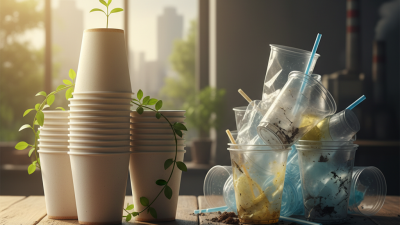
When choosing paper cup materials for your business, consider their environmental impact carefully. Many businesses opt for paper cups thinking they are eco-friendly. However, the reality is more complex. Most paper cups are coated with plastic, making them difficult to recycle. This means that even if your cup is made from renewable resources, it might still end up in a landfill.
Many consumers are becoming more environmentally conscious. They appreciate businesses that prioritize sustainability. You can make a difference by opting for biodegradable or compostable paper cup materials. These materials break down more easily and have a lower carbon footprint.
Tips for a sustainable choice: Look for cups certified by environmental organizations. Transparency in sourcing and manufacturing helps build trust with your customers. Also, consider your local recycling capabilities. If there is no facility to process specific materials, even the best options may fall short. Make informed choices that align with your business values and resonate with your audience.
What is the Best Paper Cup Material for Your Business? - Environmental Implications of Paper Cup Choices
| Material Type | Recyclability | Compostability | Sustainability Rating | Impact on Carbon Footprint |
| Paper (with PE coating) | Limited | No | Moderate | High |
| Biodegradable Paper | Yes | Yes | High | Moderate |
| PLA (Polylactic Acid) | No | Yes | High | Moderate |
| Recycled Paper | Yes | No | Very High | Low |
Innovative High Bulk Paper Solutions: Exploring the Advantages of PE Coated Wooden Pulp Sheets for Sustainable Cup Production
The demand for sustainable solutions in packaging continues to grow, particularly in the food service industry. PE coated wooden pulp sheets offer an innovative and eco-friendly option for cup production. These sheets not only provide excellent structural integrity but also facilitate vibrant, crisp graphics through both offset and digital printing methods. The glossy finish enhances branding opportunities, making them a standout choice for cups, gift boxes, and promotional items.
One of the key advantages of PE coated sheets is their versatility in thickness options, allowing manufacturers to balance strength with cost-effectiveness. This adaptability makes them appealing to businesses ranging from small and medium enterprises (SMEs) to large-scale manufacturers. Additionally, many suppliers offer convenience by providing pre-cut shapes, such as bowl molds, which streamline the production process and minimize waste. By choosing PE coated wooden pulp sheets, companies can align their packaging practices with sustainable goals while delivering high-quality products that resonate with environmentally conscious consumers.
FAQS
: Many paper cups are made from virgin pulp fibers. They offer good strength and insulation for hot drinks.
Eco-friendly cups reduce environmental impact. Customers increasingly prefer products that are sustainable and compostable.
Most paper cups have a plastic coating, making recycling difficult. This can lead to many cups ending in landfills.
Bio-based coatings are alternatives to plastic lining. They enhance the recyclability of paper cups and lower environmental effects.
Many struggle to source sustainable paper cups. About 30% report difficulties meeting new eco-friendly standards.
Opt for biodegradable materials. Seek certifications and ensure sourcing transparency. Consider local recycling options too.
Yes, many consumers prefer businesses that prioritize sustainability. They appreciate efforts toward reducing carbon footprints.
Evaluate environmental implications, sourcing transparency, and local recycling capability. Informed choices align with business values.
Absolutely. Sustainable choices can enhance consumer trust and foster positive business relationships.
No, challenges remain. Continuous reflection on materials and practices is essential for improvement.
Conclusion
Choosing the right paper cup material is crucial for businesses aiming to balance performance, sustainability, and cost. This article provides an overview of the various materials used in paper cup manufacturing, highlighting common types of paper and their respective properties. It delves into the differences between sustainable and conventional options, examining how insulation and durability can impact their suitability for different uses.
The role of coatings in enhancing paper cup performance is also discussed, as they can affect both functionality and environmental impact. Additionally, the article considers cost implications for various paper cup materials, enabling businesses to make informed decisions that align with their operational goals and environmental commitments. Ultimately, understanding paper cup material choices is essential for optimizing product offerings while minimizing ecological footprints.