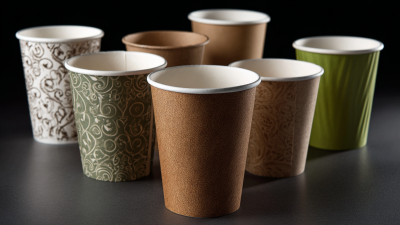
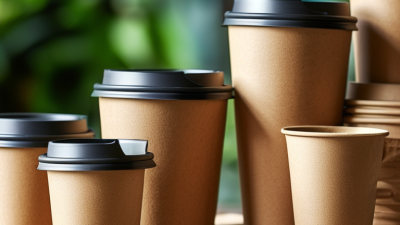
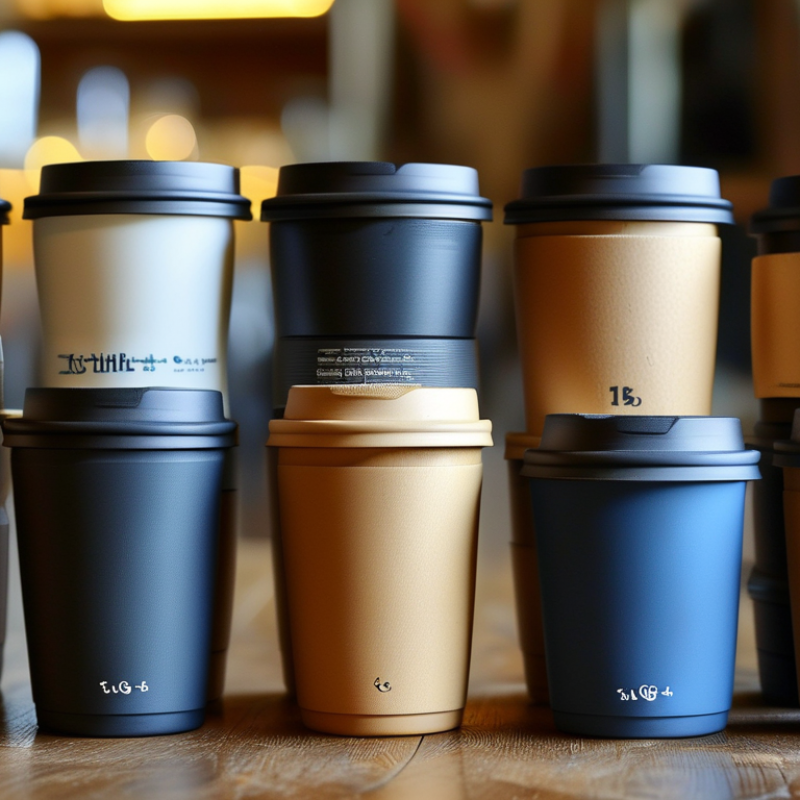
Hey, have you noticed how the Oz Cup market for 2026 is really evolving? It’s not just getting bigger; it’s actually becoming much more specialized. These days, overseas buyers are paying close attention to stuff like size, the materials used, insulation qualities, printing options, lids, and even how reliable the delivery is. For example, a 4-ounce cup might be perfect if you're sampling espresso, but if you're dealing with takeaway drinks or trying to showcase some branding, a 16-ounce cup probably makes more sense. Every single choice you make impacts the cost, how easy it is to store, how comfortable the user feels, and even how much waste gets generated.
Diana Twede, a packaging expert, once said, 'A package has to protect the product, send the right message about its value, and fit within the distribution system.' That’s still spot-on advice when you're shopping for Oz Cups. So, it’s a good idea to check things like wall strength, the consistency of the rim, whether it can withstand heat, and if it’s leak-proof. Don’t forget to glance at the cup paper and bottom structure, especially if you're choosing a paperboard with different coatings. Cups with PE coatings usually do a decent job with moisture resistance. On the other hand, water-based or dispersion coatings might align better with sustainability goals, but keep in mind that how they perform can vary quite a bit depending on the supplier and the beverage temperature.
In this guide, we’ll take a look at the main types of Oz Cups you can expect in 2026. We’ll compare single-wall, double-wall, ripple-wall, compostable, recyclable, and reusable options. Be super careful when checking certification claims though — a green label doesn’t automatically mean it’s legit. It’s smart to ask for food-contact approval papers, test reports, factory audits, and even real samples from manufacturers like Huhtamaki, Dart Container, and Graphic Packaging International.
Now, let’s be real — the market doesn’t always follow a predictable path. Prices can fluctuate because of pulp, energy, freight costs, or regional demand. Some buyers go for the cheapest cup upfront, but then end up paying more later with higher failure or replacement costs. So, finding the sweet spot means balancing how you intend to use the cups, compliance with regulations, your branding needs, and overall cost — including what it takes to get the cups delivered. Those tiny details? They can really make or break the whole order, sometimes in ways you might not expect.
How Oz Sizing Works: 1 US fl oz Equals 29.5735 mL
When global buyers compare cup sizes, “oz” can hide a measurement trap. In US foodservice, 1 US fl oz equals 29.5735 mL. Therefore, an 8 oz cup holds about 236.588 mL, while a 12 oz cup holds 354.882 mL. A 16 oz cup reaches approximately 473.176 mL. These figures describe volume, not always the usable fill level. Foam, ice, and headspace reduce the liquid a customer receives. I recommend confirming whether a supplier lists brim-full capacity or practical serving capacity. The distinction is small on paper, but visible in a busy café.
For 2026 sourcing, buyers may compare hot paper cups, cold beverage cups, and specialty formats by actual milliliter capacity. ACoffee Cup Paper Cup Fan should verify the rim diameter, wall structure, and lid fit alongside its oz label.
A 12 oz cup with a narrow base may feel taller than another 12 oz cup. That changes stacking, packing, and shipping efficiency. Request a sample, fill it with water, and measure it using a calibrated jug. Check three samples, not one. Manufacturing variation happens. I have learned that a printed size claim needs physical confirmation before bulk production.
Tips: Keep both units on purchase sheets. Write “12 US fl oz / 354.882 mL,” not only “12 oz.” Ask for tolerance data and test the lid after filling. Leave room for toppings, foam, or safe handling. Do not assume Imperial fluid ounces match US measurements. That mistake is easy.
16 oz Cups: The Core Format for Takeaway Coffee and Cold Drinks
16 oz Cups: The Core Format for Takeaway Coffee and Cold Drinks
For global buyers, the 16 oz cup remains a practical middle ground. It holds about 473 milliliters, fitting iced coffee, milk-based drinks, and generous soft beverages. The 2024 National Coffee Data Trends report found that 67% of American adults drank coffee during the previous day. Specialty coffee reached 57% of adults during the past week. These figures support steady demand for larger takeaway formats.
USDA Foreign Agricultural Service data placed global coffee consumption above 168 million 60-kilogram bags in its 2024/25 forecast. That scale creates repeated demand for dependable cup supply. A 16 oz design also simplifies inventory. One size can serve several menus, but only when lid fit, rim strength, and stacking performance are consistent.
The details matter.
For hot drinks, buyers should test heat resistance and sleeve compatibility. For cold drinks, leave space for ice and prevent sidewall softening. Paper, coated paper, and plastic-free alternatives can perform differently after thirty minutes. That is often overlooked. It should not be.
Procurement teams should request food-contact documentation, migration testing, and verified recycling claims for each destination market. Sustainability language needs evidence, not attractive wording. A cup may use less material yet fail during transport or leak after filling. Sampling should include repeated filling, sealing, stacking, and delivery simulation. Small defects become expensive at container scale. My own view is cautious: the 16 oz format is efficient, but it is not automatically the best choice for every drink or market.
20–24 oz Cups: High-Volume Iced Beverages and Upselling
2026 Top Oz Cup Types for Global Buyers?
20–24 oz Cups: High-Volume Iced Beverages and Upselling
For global buyers, 20–24 oz cups suit iced teas, fruit drinks, smoothies, and layered beverages. Their larger capacity supports higher ticket values without changing the service routine. In busy cafés, customers often accept an upgrade when the size difference is visible. A clear cup can also showcase ice, color, fruit pieces, and toppings. However, larger cups require stronger rims and stable bases. A weak structure creates spills, customer complaints, and avoidable waste.
Experienced buyers should check cup weight, wall thickness, lid fit, stacking performance, and heat resistance around cold condensation. Ask cup stock suppliers / cup stock exporters for production samples before approving a large order. Test the cups with ice for at least thirty minutes. Check whether lids stay secure during delivery and whether printed surfaces remain clean. Specifications can look impressive on paper. Real handling may disagree.
Tips: Match the cup with its lid, straw, and sealing equipment. Confirm carton dimensions before shipment, because warehouse space affects total cost. Keep two sizes for controlled upselling, rather than offering every possible volume. Also review seasonal demand, freight timing, and minimum order quantities. A perfect forecast is rare. I would leave some flexibility in the first order, especially when entering a new market.
32 oz Cups: Large-Format Hydration, Smoothies, and Foodservice
For global buyers, the 32 oz Oz Cup serves customers who need more than a quick drink. Its large format suits hydration stations, smoothie counters, iced beverages, and foodservice applications. A wide opening helps staff add ice, fruit, yogurt, or thick blends without constant spills. In busy service, that detail matters. The cup should feel stable when filled, especially near self-service dispensers and outdoor seating.
Procurement teams should check rim diameter, wall strength, lid fit, and leak resistance under realistic conditions. A cold smoothie can create condensation, so grip texture and sleeve compatibility deserve testing. Measure the cup with ice and liquid, not empty. Actual capacity may vary with headspace, toppings, and sealing equipment. For international distribution, buyers should verify food-contact documentation, packing efficiency, and temperature limits with the manufacturer. These checks support reliable purchasing and reduce avoidable waste.
The 32 oz size is useful, but it is not automatically the best choice. Some customers may find it heavy or too large for short visits. A pilot run can compare fill speed, carrying comfort, and delivery performance before wider rollout. We have seen attractive specifications fail when the lid flexes during transport. That small weakness can damage trust. Review performance after real shifts, then adjust the format or lid design. Practical evidence should outweigh assumptions.
Material Choices: Paper, PET, PP, PLA, and Reusable Options Compared
For global buyers, cup material affects performance, cost, shipping, and disposal. A Paper Cup feels familiar and prints well, but its lining needs careful review. Paper alone rarely holds liquids for long. Many paper cups use PE or PLA barriers, which change recycling and composting decisions. Check wall strength, leak resistance, lid fit, and heat performance with real beverages.
PET offers clear visibility and good impact resistance, making it useful for cold drinks and layered beverages. PP handles warm liquids better and usually tolerates repeated handling. It is lightweight too. PLA can look attractive for cold applications, but it may soften with heat. Its composting claims also depend on suitable industrial facilities, not ordinary outdoor conditions. Reusable cups reduce single-use waste when customers actually return and wash them. That assumption deserves testing.
Small details matter. A thin rim may feel sharp. A loose lid can create costly leakage during delivery. Buyers should request food-contact documentation, temperature testing, migration data, and packaging samples before placing large orders. Local waste systems should influence the choice, not marketing language alone. A cheaper cup may create higher costs through damage, poor stacking, or limited disposal options. The most sustainable option is not always the lightest one. Procurement teams should compare total use cycles, transport weight, cleaning needs, and realistic recovery rates. It is easy to overstate certainty here. Field conditions can change the result.
2026 Top Oz Cup Types for Global Buyers: Material Comparison
Typical maximum continuous-use temperature for commercial beverage cups. Actual limits depend on wall structure, coatings, lids, additives, and product testing.
PP and stainless steel reusable cups generally provide the broadest heat-performance range. PET is commonly selected for cold drinks, while PLA is mainly used for cold or moderate-temperature applications. Paper cups can handle hot beverages when paired with suitable barrier coatings.
Compliance Data: EN 13432, ASTM D6400, and Food-Contact Rules
2026 Top Oz Cup Types for Global Buyers?
For 2026 purchasing, cup size matters less than verified compliance. European Bioplastics and nova-Institute reported global bioplastics production capacity at about 2.47 million tonnes in 2024. Capacity may reach 5.73 million tonnes by 2029. This growth increases material choices, but it also creates documentation risks. Buyers should request the exact resin composition, test scope, certificate number, and intended disposal route. A compostable claim is not enough.
EN 13432 EN 13432 evaluates industrial compostability through disintegration, biodegradation, heavy-metal limits, and plant-toxicity testing. ASTM D6400 provides a comparable framework for compostable plastic products in North America. These standards do not prove that a cup will compost in every local facility. That distinction is easy to miss. Industrial composting access remains uneven, and a certified cup may still enter landfill waste. Buyers should confirm whether the certificate covers the complete cup, including coatings, inks, lids, and additives.
Food contact compliance is separate. In the United States, suppliers should provide documentation aligned with applicable FDA food-contact requirements. In Europe, Regulation (EC) No 1935/2004 and Regulation (EU) No 10/2011 remain key references for plastic food-contact materials. Ask for migration-test results under the real conditions of use, including hot drinks, acidic liquids, contact time, and temperature. One weak point deserves attention: certificates can be valid, yet incomplete for a buyer’s specific application. Practical audits, traceability records, and updated declarations reduce that gap.
Conclusion
Choosing the right Oz Cup is essential for global buyers evaluating portion size, user experience, shipping efficiency, and product performance. Since 1 US fluid ounce equals 29.5735 mL, 8–12 oz cups are suitable for espresso-based drinks, tea, tasting portions, and sampling. The 16 oz format remains a practical core size for takeaway coffee and everyday cold beverages, while 20–24 oz cups support larger iced drinks and create opportunities for value-based upselling. For high-volume hydration, smoothies, and foodservice applications, 32 oz cups provide greater capacity and convenience.
Material selection should match the beverage, equipment, sustainability goals, and disposal system. Paper, PET, PP, PLA, and reusable options each offer different advantages in insulation, clarity, durability, recyclability, and cost. Buyers should also review food-contact requirements and relevant compostability standards, including EN 13432 and ASTM D6400, while confirming that product claims are supported by appropriate documentation. A well-planned Oz Cup range can serve diverse markets while balancing functionality, compliance, and operational efficiency.