Picking the right paper for your cup isn’t just about the material itself — it’s really about matching the paperboard to the type of drink, how it's filled, and the design of the cup. For instance, a hot coffee cup needs to be able to handle heat reliably and have a sturdy barrier, while a cold drink cup has to deal with condensation, ice, and longer contact with liquids. These little details actually matter a lot — they influence how stiff the cup feels, what kind of coating it has, how well it seals up, and even how comfortable the rim is to hold. Small differences can make a big difference, so it’s worth paying attention.
Now, just to be clear, what I’m about to share is more of an expert’s perspective — not a direct quote from anyone famous. If Elena Brooks, a seasoned paper-packaging pro, were to put it, she might say something like, ‘Pick the cup structure based on what it’s really going to be used for, not just the price per ton.’ When you're comparing different options like cupstock, Coated Boards, or other barrier treatments, don’t hesitate to ask your suppliers for the technical data and samples that match your intended use. Take a close look at the cut edges, the bottom seal, and how evenly the coating covers everything — then make sure to test the cup with the actual beverage you plan to use. Simple tests can save you from future headaches.
This guide walks through the main types of paper used worldwide, including common barrier layers and construction styles. It also points out that the specifications on the cup paper and the bottom are interconnected — a perfect sidewall isn’t going to save you if the bottom seal is weak. There’s no one-size-fits-all perfect grade, and some compromises are inevitable. Always verify what suppliers claim by checking documented specs and doing practical tests. Use these comparisons as a helpful starting point, but ultimately, performance should be confirmed through real-world trials.
What Cup Paper Is and How It Is Made
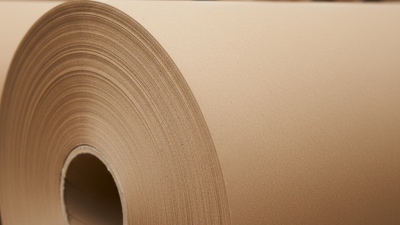
Cup paperis a purpose-made paperboard, not ordinary Printing Paper. It must hold a drink, resist softening, and keep its shape during handling. Production begins with pulp fibers mixed with water and refined to create a consistent furnish. Machines form this mixture into a wet sheet on a moving screen, then press and dry it. The result is a stiff base sheet.
FAO’s 2022 forest-products statistics report roughly 401 million tonnes of global paper and paperboard production. That figure covers many grades, not cupstock alone.
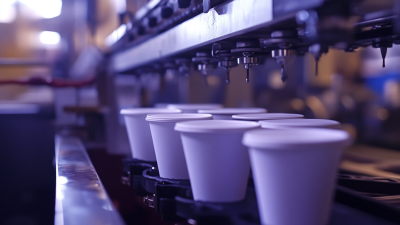
Cupstock is often treated with a thin barrier to slow liquid penetration. Depending on the design, this may be a polymer layer or a dispersion coating. Too little barrier risks leaks. Too much can make material recovery more challenging. After coating, the board may be printed and cut into fan-shaped blanks. A converter joins each blank at the side seam and seals it to a circular base. Small variations in coating weight or sealing temperature can cause defects.
Buyers searching “Coffee Cup Paper Cup Fan” should check board grammage, stiffness, coating type, and sealing-trial results. A sample that looks smooth may still split at the seam when filled with hot liquid. Ask for test conditions, not just a pass result. Cup performance depends on the complete structure, and specifications alone cannot reveal every production weakness.
Key Properties That Define Cup Paper Performance
Cup Paper Performance starts with a balance between stiffness and forming ability. A heavier sheet may hold its shape, but it can also resist curling around a cup wall. Basis weight matters, yet it does not tell the whole story. Fiber quality, thickness, and moisture all influence how the blank behaves on a converting line. Small changes can show up as uneven rims or loose seams.
Coating and sizing help control liquid penetration and support heat-sealed joints. The paper should resist a brief splash without becoming soft too quickly. Still, excessive coating can complicate sealing or affect how the sheet runs through equipment. No grade is perfect. A practical check is to fill a finished cup with warm liquid and inspect the seam, base, and rim over time. One short test is not enough.
Printability also depends on a smooth, consistent surface. Ink should appear clear without making the sheet brittle or slowing production. Buyers can ask cup stock suppliers / cup stock exporters for specifications covering basis weight, thickness, moisture range, coating, and intended forming method. Requesting samples is useful, but results should be checked on the buyer’s own equipment. Paper that performs well in a sample cup may behave differently at production speed. That detail deserves attention.
Top Types of Paper Used for Cups in 2026
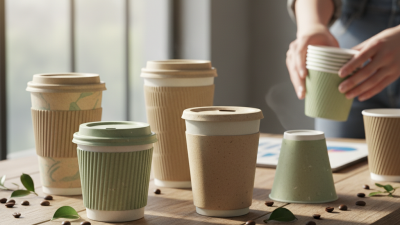
Paper cups rely on several paper grades, each chosen for stiffness, print appearance, and barrier performance. Cupstock is commonly made from virgin fiber, recycled fiber where suitable, or a blend. Bleached cupstock gives a clean white surface; kraft cupstock keeps a natural brown look. Both need a barrier layer to resist hot drinks and leaks. Paper Cup Paper is not one standard material: coating, thickness, and forming quality all affect performance.
Common options include polyethylene-coated cupstock, dispersion-coated paper, and paperboard with aqueous barriers. PE coatings offer reliable moisture resistance, while newer water-based coatings may simplify some recycling routes. Actual recyclability depends on local collection and mill equipment, so claims need checking. FAO’s 2022 forest-products statistics report roughly 401 million tonnes of global paper and paperboard production. That scale shows a mature supply base, but it does not guarantee every cup grade performs alike. Even small differences matter. A thin wall can soften near a hot rim.
Tips: Match paper weight and barrier to beverage temperature and contact time. Ask suppliers for food-contact documentation, coating details, and test results for leakage and stiffness. Check the intended recycling route before choosing a barrier. A coating described as “water-based” is not automatically recyclable everywhere. That deserves a second look.
Top Types of Paper Used for Cups in 2026
Typical barrier-coating weight by cupstock type (g/m²). Values are indicative industry ranges, not market-share figures.
Polyethylene (PE) and polylactic acid (PLA) coatings provide moisture barriers; aqueous-dispersion coatings can use lighter application weights. Uncoated cupstock has no barrier-coating layer and is generally suited to applications that do not require one. Actual specifications depend on cup design, intended use, and supplier.
How Paper Types Match Different Cup Applications
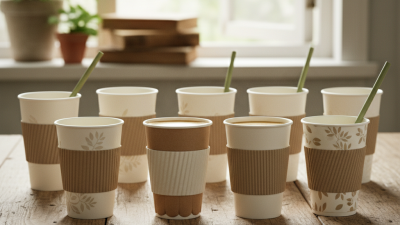
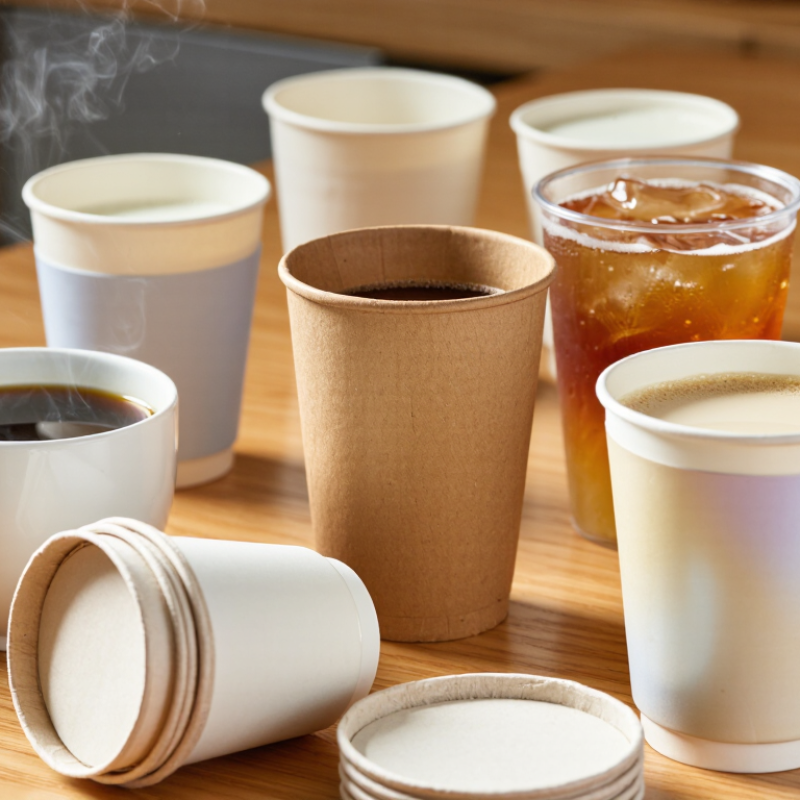
Paper selection should begin with the drink, serving temperature, and time in use. For hot coffee or tea, cupstock with a suitable moisture barrier helps resist leaks and softening. A single-wall cup suits quick service, while a double-wall construction adds insulation for customers holding hot drinks. The extra layer also changes material use and storage needs. Small details matter.
Cold drinks bring different demands. Condensation can weaken the cup exterior, especially during a long serving period, so buyers should assess barrier performance alongside board stiffness. For iced coffee or smoothies, a firm rim and reliable side seam help the cup keep its shape during filling and handling. A heavier board is not always the answer. I would test the finished cup with the actual drink and lid.
For takeaway applications, compare cupstock options by forming performance, print requirements, and resistance to the specific beverage. Milk-based drinks may leave residue, while acidic beverages can expose weaknesses in some coatings. Ask suppliers for technical specifications, then run production trials that check seam sealing, rim rolling, and leakage after filling. Recycled fiber content may suit some specifications, but it should not be assumed to perform identically across grades. The best match depends on the cup-making line and the service conditions.
Food Safety, Recycling, and Regional Compliance
For global buyers, cup paper selection is a balance of food safety, performance, and end-of-life options. Standard single-wall cups suit many cold drinks, while heavier cupstock or double-wall construction can help retain heat. Barrier layers may use plastic or newer water-based coatings, but neither guarantees easy recycling. Ask suppliers for food-contact declarations and relevant test results for the intended drink, temperature, and storage conditions. Small details matter.
Recycling depends on local collection and processing, not just the paper’s label. Some facilities separate cup fibers; others may not accept coated cups. Requirements for food-contact materials and environmental claims also differ by destination market and can change. Verify current regional rules before printing or shipping. The paperwork may look complete, yet local recovery options can still be limited.
Tips: Request the paper grammage, barrier type, and test documentation in writing. Trial cups with hot and cold beverages, then check for leaks, odor, and softening. Ask waste handlers in each sales region whether they accept that cup structure. Keep a second material option ready; it may cost more or perform differently. There is no perfect cup.
How Global Buyers Compare and Source Cup Paper
Global buyers compare cup paper by more than price per tonne. They check basis weight, stiffness, coating consistency, printability, and roll or sheet dimensions. A supplier’s sample should match the quoted grade, not merely look similar. Small differences show up quickly: a rim may curl, or a cup wall may soften after several minutes with a hot drink.
Pe Coated Paper For Paper Cup is often assessed for coating coverage, bonding, and suitability for the intended beverage. Ask for technical data, food-contact declarations relevant to the destination market, and recent quality records. Then test samples with the actual forming equipment and filling conditions. Check leakage, seam strength, odor, and how the cup feels in hand. Quick checks help. They do not replace production trials.
Compare offers using the same specification sheet. Include grammage, coating weight, moisture range, tolerances, packing method, lead time, and shipment terms. Ask how rolls are protected from humidity during storage and transit; damp edges can disrupt converting. A low quotation can become expensive if usable yield falls. That part is easy to overlook. Keep a retained sample from each approved shipment and record its batch details. Paper varies, even when the specification stays unchanged, so buyers should leave room for real-world variation.
Conclusion
This guide explains how Paper For Cup is produced from carefully selected pulp and formed into sheets designed for food and beverage packaging. It outlines the properties that shape cup-paper performance, including strength, stiffness, printability, heat resistance, and suitability for coatings or other barrier treatments. It also compares common paper options for cups, showing how material choices can vary with cup size, drink temperature, intended use, and manufacturing requirements.
For global buyers, selecting cup paper involves balancing reliable performance with food-contact safety, responsible material use, and recyclability. Requirements and recycling systems differ by region, so buyers should check relevant local standards and confirm that a paper’s specifications match their intended application. The guide also offers a practical approach to comparing suppliers and sourcing materials by reviewing technical data, consistency, documentation, availability, and total cost, helping buyers make informed choices for different markets and cup products.