
Choosing the 2026 best Paper Cup Fan For Ice Creamrequires more than comparing price lists. Manufacturers must examine board stiffness, food-contact suitability, print quality, sealing performance, and cold-temperature behavior. A Cup Fan may look attractive on a sample table, yet fail when filled with dense gelato at a busy retail counter.
Packaging consultant Dr. Susan Selke offers a practical reminder: “Packaging performance depends on the complete system, not one material feature.” Her view fits ice cream production closely. The paperboard, coating, adhesive, forming equipment, and filling temperature must work together. Even a small curl along the fan edge can create an uneven seam. That detail matters.
This guide will compare suitable paper grades, moisture resistance, branding options, and supplier consistency. It will also consider renewable fiber content and realistic recycling claims. Claims need evidence. A glossy surface alone does not prove better performance. Nor does a low quotation guarantee lower total cost.
Small details matter.
Manufacturers should test fans under actual conditions, including freezer storage, stacking pressure, transport vibration, and repeated handling. The strongest option may not be the cheapest one. It may reduce leakage, machine stoppages, and rejected cups over time. Still, no supplier fits every market. Some recommendations may need adjustment after trials, because real production is less predictable than a catalog sample. That uncertainty deserves attention.
2026 Best Paper Cup Fan For Ice Cream Manufacturers?
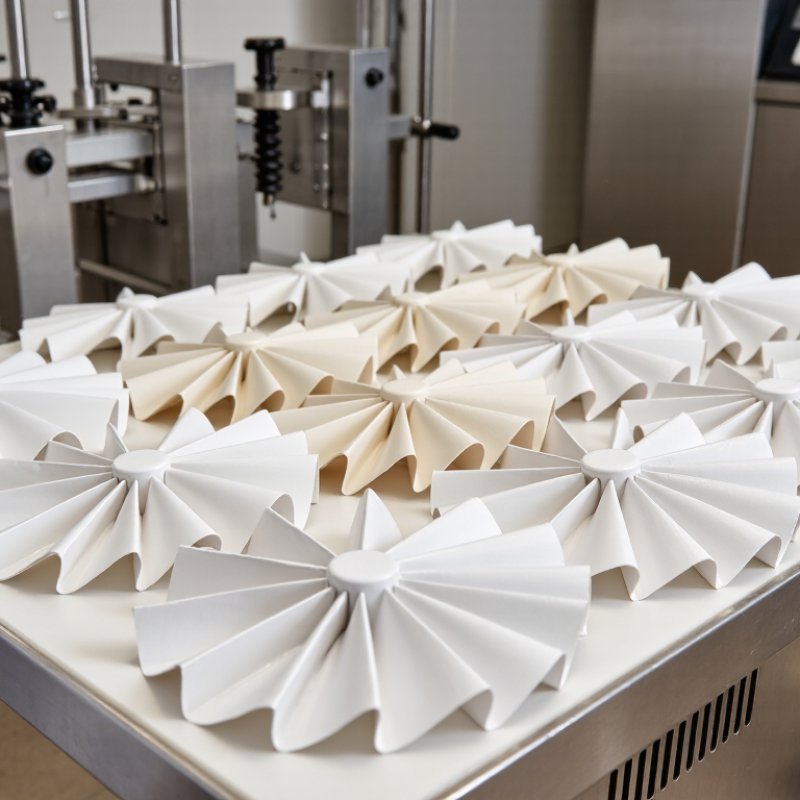
A paper cup fan is the printed, flat sidewall blank used to form an ice cream cup. It is not a complete cup. A converting machine wraps the fan around a bottom disc, then seals the vertical and bottom seams. The blank usually includes a food-contact paperboard layer, moisture-resistant coating, artwork, and controlled cutting points.
Ice cream creates a demanding package. Freezer temperatures, condensation, melting water, and oily toppings can weaken poor seams. A reliable fan should keep its shape near -18°C and resist softening during serving. The exact performance depends on board weight, coating structure, sealing temperature, and storage time. According to Smithers’ 2024 Paper Packaging market analysis, global paper-based packaging demand is above 250 million tonnes annually. This scale reflects strong demand, but it does not make every paper grade suitable for frozen desserts.
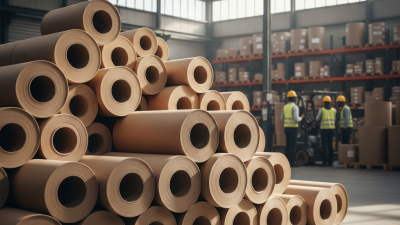
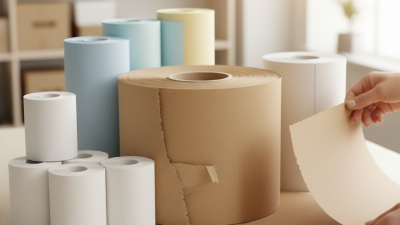
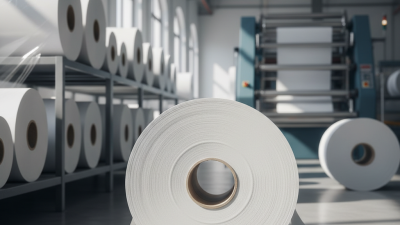
An experienced Ice Cream Cup Paper Rolls Supplier should provide roll width, paper grammage, coating details, and forming-test records. Ask for samples before approving large production. Check the rim after forming. Check the base after filling. Small wrinkles matter. They may collect moisture or affect stacking. A fan can look excellent on a screen and still split beside a hard frozen product. I have found that printed color often receives more attention than seam strength. That is a mistake worth correcting. Suppliers should also verify applicable food-contact requirements in the target market, because compliance documents and test methods vary.
A paper cup fan is a printed and die-cut paperboard blank that is formed into the sidewall of an ice cream cup. The most suitable paperboard basis weight depends on cup size, filling temperature, moisture resistance, stiffness, and the required barrier coating.
The chart presents commonly used reference ranges for paperboard basis weight in single-use cold dessert and ice cream cups. Heavier paperboard generally provides greater stiffness, while coating selection is also essential for resistance to moisture and fat.
Frozen desserts punish weak packaging. Low temperatures make paper fibers less flexible and seams easier to stress. For ice cream, a reliable cup needs a moisture barrier, steady stiffness, and a clean rim. Coated paperboard usually performs well when the coating stays continuous. Water-based barriers can support a lower-plastic design, but their freezer performance needs real testing. Fiber-based coatings may absorb moisture after long storage. That detail is easy to miss.
Cup structure matters as much as material. A rolled rim should resist spoon pressure without cutting fingers. A reinforced sidewall helps prevent squeezing during filling and transport. The base also needs a tight fold or seal. Small gaps can let melted dessert reach the paper. I have seen this happen after repeated freeze-thaw cycles. The cup looked strong at room temperature. It was not strong enough in actual service.
For manufacturers comparing Fan Cup Paper For Paper Cup options, test the complete package, not a flat sheet. Measure leakage, rim strength, stacking stability, and odor after freezing. Check print adhesion too. A colorful surface means little if condensation lifts the ink. Use the intended dessert, filling weight, and storage time. Then review results with production staff. Their practical feedback often reveals problems that laboratory samples hide. No design is perfect.
| Paper Cup Fan Structure | Typical Board Basis | Barrier System | Frozen Dessert Suitability | Main Advantages | Main Limitations | Overall Fit |
|---|---|---|---|---|---|---|
| Virgin paperboard + polyethylene coating | Approximately 190–350 g/m², depending on cup size and stiffness requirements | Single-side or double-side PE coating; inner coating protects the board from moisture | Very suitable for ice cream, gelato, frozen yogurt, and other cold desserts when the coating and sealing are correctly specified | Reliable moisture resistance, strong forming performance, established heat-sealing behavior, and good dimensional stability | Conventional PE-coated structures require appropriate recycling infrastructure and are not automatically compostable | Excellent |
| Virgin paperboard + water-based dispersion coating | Approximately 190–350 g/m² | Water-based barrier coating applied to the food-contact side; formulation varies by supplier and application | Suitable when the coating has documented resistance to water, fat, cold temperatures, and the intended storage period | Can support fiber-based packaging goals and may simplify repulpability compared with some plastic-laminated structures | Performance depends strongly on coating chemistry, application weight, forming conditions, and exposure time | Very Good |
| Virgin paperboard + PLA coating | Approximately 190–350 g/m² | Polylactic acid coating on the food-contact surface | Suitable for cold desserts if the finished cup is tested for low-temperature sealing, leakage, and storage performance | Bio-based coating option and compatible with selected industrial composting systems when the complete package is certified | Industrial compostability is not the same as home compostability; cold storage and heat-sealing windows must be validated | Very Good |
| Recycled-fiber paperboard + moisture barrier | Commonly approximately 200–350 g/m², subject to recycled-fiber grade and stiffness target | PE, dispersion, or other approved barrier coating; food-contact compliance must be verified for the intended market | Potentially suitable, but moisture resistance, odor, cleanliness, stiffness, and food-contact documentation require close control | Supports recycled-content objectives and can reduce reliance on virgin fiber where regulations and performance allow | Fiber variability can affect forming, edge compression, print quality, and resistance to condensation or freezer humidity | Good with validation |
| Multi-layer high-barrier paperboard | Approximately 250–400 g/m² or more, depending on barrier and rigidity requirements | Paperboard combined with one or more polymer, dispersion, or functional barrier layers | Highly suitable for extended frozen storage, high-fat recipes, toppings, and products with greater leakage risk | Strong moisture, grease, and aroma protection with improved stiffness and package integrity | Higher material complexity, potentially higher cost, and more demanding end-of-life sorting or recycling requirements | Excellent |
| Double-wall or reinforced paper cup fan | Typically uses a heavier board or an additional paper layer; exact basis depends on cup volume and wall design | Inner food-contact barrier plus reinforced outer structure | Suitable for premium servings, takeaway use, and applications where hand comfort and crush resistance are important | Improved rigidity, insulation, hand comfort, and resistance to deformation during filling and transport | Uses more material, may require specialized tooling, and can increase nesting volume during shipment | Very Good |
| Single-wall paper cup fan with rolled rim | Often approximately 190–300 g/m² for small and medium serving sizes | Food-contact inner barrier with a rolled top rim and bottom-seam construction | Suitable for short-to-medium service periods when the board stiffness and barrier are matched to the product | Efficient material use, low shipping volume, simple filling-line integration, and broad size availability | Less resistant to sidewall compression and hand heat than reinforced structures; condensation can reduce rigidity over time | Very Good |
For ice cream manufacturers, paper cup fan quality begins with measurable performance, not a clean appearance. A reliable fan should fold accurately, resist cracking, and support a tight side seam. Check paperboard caliper, basis weight, moisture, and fiber direction for every production batch. A fan that feels stiff may still split during forming.
Use recognized methods when testing. Cobb60 water absorption, tensile strength, and edge-crush testing reveal weaknesses that visual checks miss. Test printed surfaces for rub resistance, especially when cartons are stacked before filling. Then expose formed cups to freezer conditions around -18°C. Watch the rim, seam, and bottom fold after several hours. Small leaks matter.
The Coffee Cup Paper Cup Fan standard may not suit frozen desserts without adjustment. Ice cream adds cold, moisture, and repeated handling. Smithers’ paper packaging market analysis identifies barrier performance and fiber efficiency as major development priorities. The European Paper Recycling Council reported an 82.5% paper recycling rate in Europe for 2023, making fiber design increasingly relevant. However, recyclability claims need evidence from the final cup structure, not only the raw sheet. No single test proves quality. A perfect-looking fan can still fail on a fast filling line. Manufacturers should compare samples from different lots, record forming speed, and keep failed fans for review. Sometimes, the cheapest defect is the most informative.
Ice cream cups face moisture, cold storage, condensation, and oily contact. These conditions can weaken printed paper and blur small graphics. A reliable paper cup fan should use stable cupstock with a coating designed for frozen desserts.
Flexographic printing suits high-volume production and keeps color coverage consistent across repeated cup fans. Water-based inks can support a cleaner production process, but they still need proper drying. Ask for low-migration, food-contact-compliant ink systems for the intended market. Ink adhesion should be tested after refrigeration, not only at room temperature.
The coating controls much of the cup’s performance. A polyethylene or approved water-based barrier can resist leaks and slow moisture penetration. Some manufacturers may consider compostable barrier options, but “compostable” does not automatically mean suitable for every ice cream application. Verify grease resistance, freezer stability, sealing performance, and local compliance records.
Short runs may benefit from digital printing, especially for seasonal flavors or regional designs. However, digital output can require careful evaluation for scuffing and color consistency. Pale blue may look attractive on screen but appear dull on coated paper. That detail matters. Ask suppliers for printed samples filled with ice cream, then inspect them after several hours in cold storage. A rushed test can hide real failures. Even strong coatings may perform poorly when the paperboard, ink, and forming process are mismatched.
Ice cream manufacturers need more than an attractive Paper Fan For Paper Cup. They need stable forming, clean materials, and traceable production. During die-cutting, tiny paper fibers can gather around the fan edge. Poorly controlled dust may reach the cup rim or sealing area. Operators should inspect paper rolls, cutting tools, adhesive application, and storage conditions. Food-contact inks and coatings also require documented migration testing under relevant temperature and moisture conditions. Regulation (EC) No. 2023/2006 emphasizes good manufacturing practice for materials that contact food.
Safety can fail quietly. A loose seam may leak melted ice cream onto hands, counters, and transport cartons. Production teams should measure fold accuracy, compression strength, and seal performance from every batch. ISO 22000-based systems can strengthen hazard control, although certification alone does not replace practical inspection. That is worth remembering.
Sustainability depends on more than choosing paper. The United States Environmental Protection Agency reported that paper and paperboard packaging generated about 35.7 million tons of waste in 2018, with approximately 21.5 million tons recycled. Better cup fan production can reduce trim waste through optimized nesting and accurate die settings. The FAO Yearbook of Forest Products reported global paper and paperboard production above 400 million tonnes in 2022, showing the scale of resource demand. Recycled fiber, responsibly sourced pulp, water-based coatings, and lower-energy drying can help. Yet mixed materials may complicate recycling. Manufacturers should verify local recovery systems instead of assuming every paper cup is easily recyclable.
Selecting the best paper cup fan for ice cream starts with the filling environment. The material must resist moisture, low temperatures, and softening during storage. A higher paperboard weight is not always better. Excessive thickness can reduce forming efficiency and increase material waste. Manufacturers should compare stiffness, coating adhesion, rim strength, and die-cut accuracy through production samples.
Check the fan’s dimensions against the forming machine, mold size, and stacking system. A difference of one millimeter can create uneven seams or weak cup walls. Ask for food-contact documentation, coating specifications, batch traceability, and recent quality records. Independent tests can verify compression strength and leakage resistance. Do not rely only on a supplier’s sample.
Freezer testing matters. Place formed cups at the intended storage temperature, then fill them with ice cream and observe deformation over time. Watch the bottom seal closely. It often reveals problems first. Clear printing and stable color also support production consistency, but appearance should not hide structural defects. Digital inspection may reduce missed errors in 2026, although it cannot replace trained operators. I have seen excellent-looking fans fail after repeated forming cycles. Small trials remain necessary. Suppliers should explain tolerances honestly, including occasional defects and corrective actions. Reliability grows from evidence, not confident promises.
It is a printed, flat sidewall blank. A forming machine wraps it around a bottom disc. It is not a finished cup.
A typical fan contains food-contact paperboard, a moisture-resistant coating, printed artwork, and controlled cutting points. The structure must support folding and sealing.
Ice cream exposes the cup to freezing temperatures, condensation, melting water, and oily toppings. Weak seams may soften, split, or leak.
Testing commonly includes freezer conditions near -18°C. The rim, side seam, and bottom fold should remain stable after several hours.
Measure caliper, basis weight, moisture, and fiber direction. Test water absorption, tensile strength, edge crush, and print rub resistance.
Check the rim for wrinkles. Inspect the side seam and bottom fold. Then fill the cup and watch for leaks or deformation.
Yes. A smooth printed surface does not prove seam strength. A fan may split beside a hard frozen product or fail on a fast line.
Yes. Compare samples from different lots and record forming speed. Keep failed fans for review. Small defects can reveal major process problems.
Not always. Frozen desserts add cold, moisture, and repeated handling. The coating and sealing design may need adjustment.
Request roll width, paper grammage, coating details, and forming-test records. Ask for food-contact documentation for the intended market. Documents vary.
Choosing the best Paper Cup Fan For Ice Cream in 2026 requires more than comparing price or appearance. A cup fan is the flat, printed paperboard shape that is formed into a cup, so its material, stiffness, barrier performance, and forming accuracy must suit frozen desserts. Manufacturers should consider food-contact paperboard, moisture and grease resistance, suitable thickness, and structures that help prevent leakage, softening, cracking, or deformation during filling, freezing, storage, and transport. Quality evaluation should include dimensional consistency, bonding strength, print clarity, coating uniformity, and performance under low temperatures.
Printing and coating should provide attractive graphics while supporting product safety, recyclability, and reliable processing. Water-based or other appropriately selected coatings may help improve moisture resistance, provided they are suitable for the intended application and local requirements. Production should emphasize clean manufacturing, traceable materials, efficient resource use, and responsible waste management. By balancing performance, appearance, safety, sustainability, and supply reliability, ice cream manufacturers can select a cup fan that protects the product and strengthens its presentation in 2026.